Swimming Pool Safety Requirements for Residential Properties
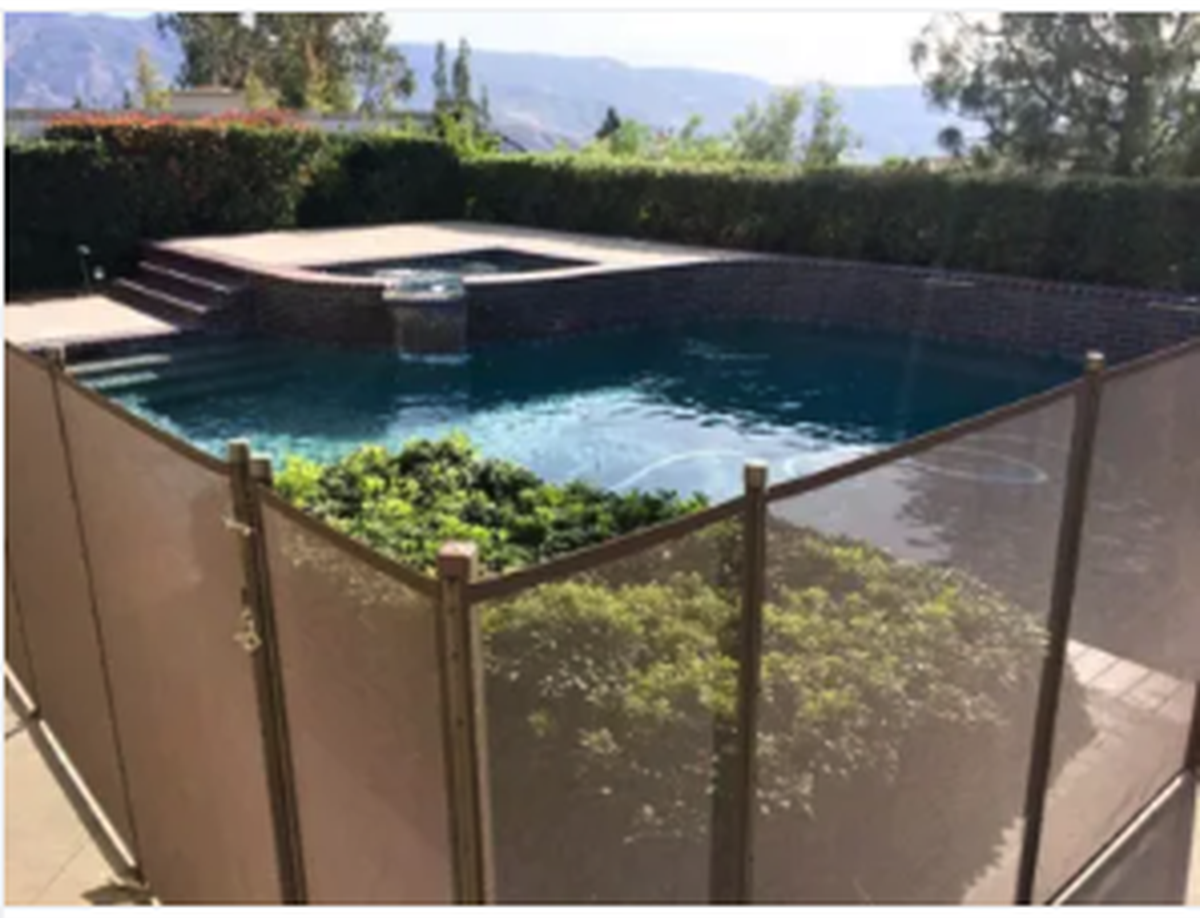
California Swimming Pool Safety: Regulations & Requirements
Drowning remains the second leading cause of death among children aged one to four in California, making swimming pool safety a critical public health issue. To combat this risk, California enforces stringent guidelines under the Swimming Pool Safety Act, ensuring pools and spas meet preventative safety measures.
Updated Legal Requirements: What Changed in 2018?
In response to rising concerns, Senate Bill 442 (SB 442) was passed unanimously in 2017 and went into effect on January 1, 2018, updating the existing Swimming Pool Safety Act of 1996. This revision mandates two safety featuresinstead of the previously required single measure when constructing or remodeling a private single-family pool or spa.
Mandatory Pool Safety Features Under California Law
Under Section 115922 of the California Health and Safety Code, pools must integrate at least two of these seven safety features to receive a building permit:
Secure Enclosure – A compliant fence that isolates the pool from the residence.
Removable Mesh Fencing – Meets ASTM standards, with a self-latching gate and lockable mechanism.
Safety Pool Cover – A manual or automated pool cover certified under ASTM F1346-23 standards.
Exit Alarms – Alerts for doors and windows leading directly to the pool area.
Self-Closing Doors – Doors accessing the pool must self-close and self-latch, with a release placed at least 54 inches above the floor.
Pool Alarm – Water entry detection alarm designed to alert homeowners of unauthorized access.
Other Protective Measures – Equivalent industry-standard safety precautions approved for drowning prevention.
Enclosure Standards for Compliance
For those opting for an enclosure as a safety feature, Section 115923 defines the following mandatory standards:
Must be at least 60 inches tall with secure, child-resistant spacing.
Gates must be self-closing, self-latching, and open outward from the pool.
No gaps larger than four inches to prevent climbing access for children.
Does This Apply to Rental Properties?
Yes! The Swimming Pool Safety Act applies to all private single-family homes, whether owner-occupied or rental properties. If a property undergoes new pool construction or remodeling, these safety measures must be in place.
Legislative History & Public Health Impact
Originally enacted in 1996, California’s pool safety laws evolved in 2006 to introduce additional prevention measures, such as removable mesh fencing and pool alarms. SB 442 strengthened these requirements, driven by alarming statistics:
Between 2010 and 2014, 160 children (ages one to four) drowned in California pools.
741 children suffered brain injuries due to near-drowning incidents.
Why Compliance Matters
Property owners—especially landlords—must comply with these safety standards, not only to meet legal obligations but to prevent tragic accidents. By enforcing multiple layers of protection, California aims to reduce drowning risks and ensure safer residential pool environments.